Small Space Storage
How to Make a Small Cupboard More Organised
Turn one awkward cupboard into reliable storage: measure, zone each shelf, fix deep corners and keep it working with a five-minute routine.
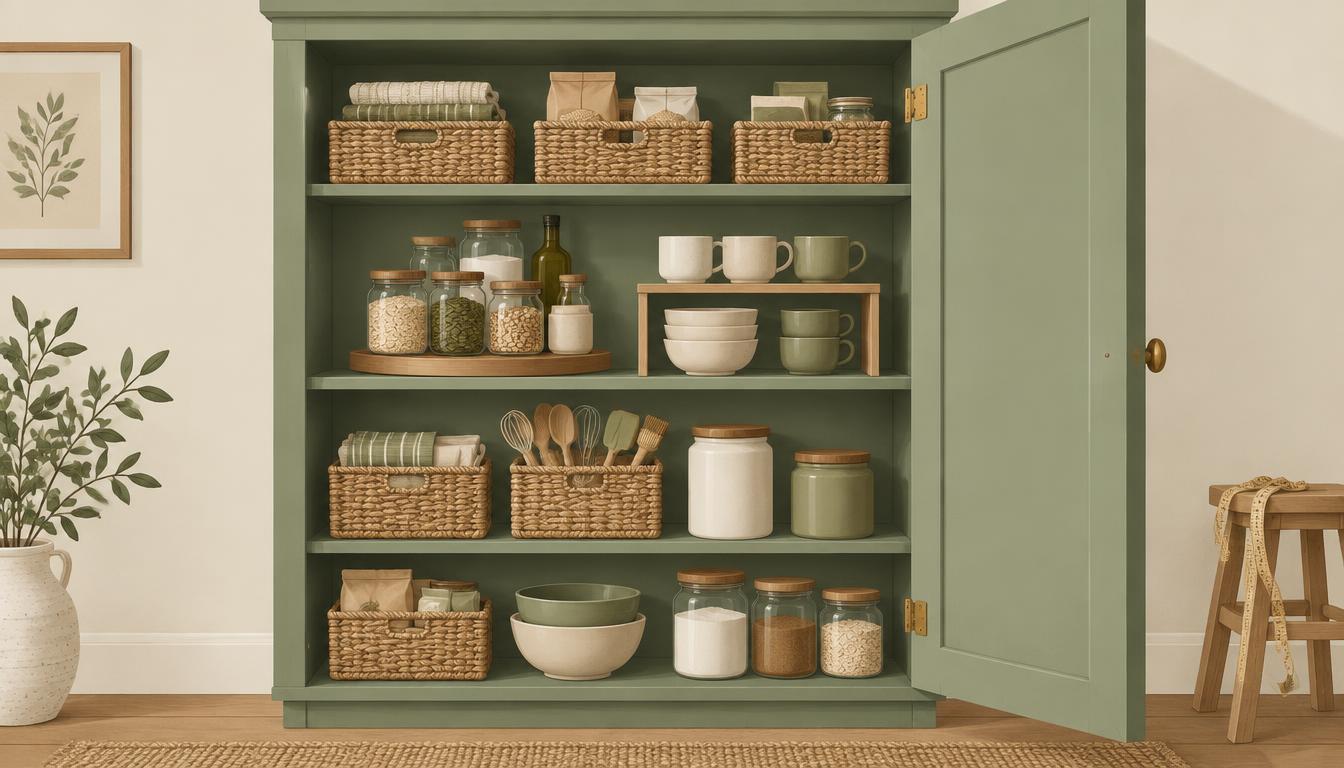
Every small home seems to have one: the awkward cupboard under the stairs, beside the boiler, or the single deep kitchen cabinet where things go to be forgotten. The fix is rarely more storage products. It's measuring properly, giving each shelf a clear job, and setting a routine you'll actually keep.
Measure before you move anything
Empty the cupboard completely and measure it: width, depth, height between shelves, and the clearance of the door opening, which is often narrower than the shelf behind it. Note anything fixed in place, like a pipe or a sloping ceiling. The room measurement worksheet has space for these numbers, and every later decision — baskets, turntables, shelf risers — depends on them.
Give each shelf a job
Assign zones by how often you need things, not by where they happened to land. Everyday items belong between knee and shoulder height, where you can see and reach them. Occasional things — spare bulbs, seasonal kit, the good tablecloth — can live high up or low down. If the cupboard holds mixed categories, give each its own container so one rummage doesn't undo the whole shelf. The same zoning logic works in a wardrobe; organising a small wardrobe on a budget covers it from the clothes side.
Make the back of deep shelves usable
Deep cupboards lose things at the back. A few approaches help, depending on your measurements:
- Baskets used as drawers: pull the whole basket out instead of reaching past everything in front of it.
- Turntables: handy for jars and bottles in a deep corner, as long as the diameter clears the shelf depth.
- Shelf risers: double the usable height for tins or mugs where shelves are tall.
Check measurements against each product before buying, and leave a little clearance so things slide rather than jam. For more ways to use height, vertical storage ideas for tiny rooms goes deeper.
Keep it working in five minutes a week
Whatever you reach for most should need one movement to grab — no unstacking, no kneeling. If two everyday items compete for the prime spot, the cupboard is probably holding something that belongs elsewhere; the hidden storage checklist can help you find a better home for the overflow. Then keep a small weekly habit: put strays back in their zone, wipe one shelf, and notice anything you haven't touched since you organised the cupboard. If a full clear-out feels overdue, the 7-day decluttering checklist breaks it into short sessions. Adjust the zones to match your habits rather than blaming yourself when drift appears.
You might also like
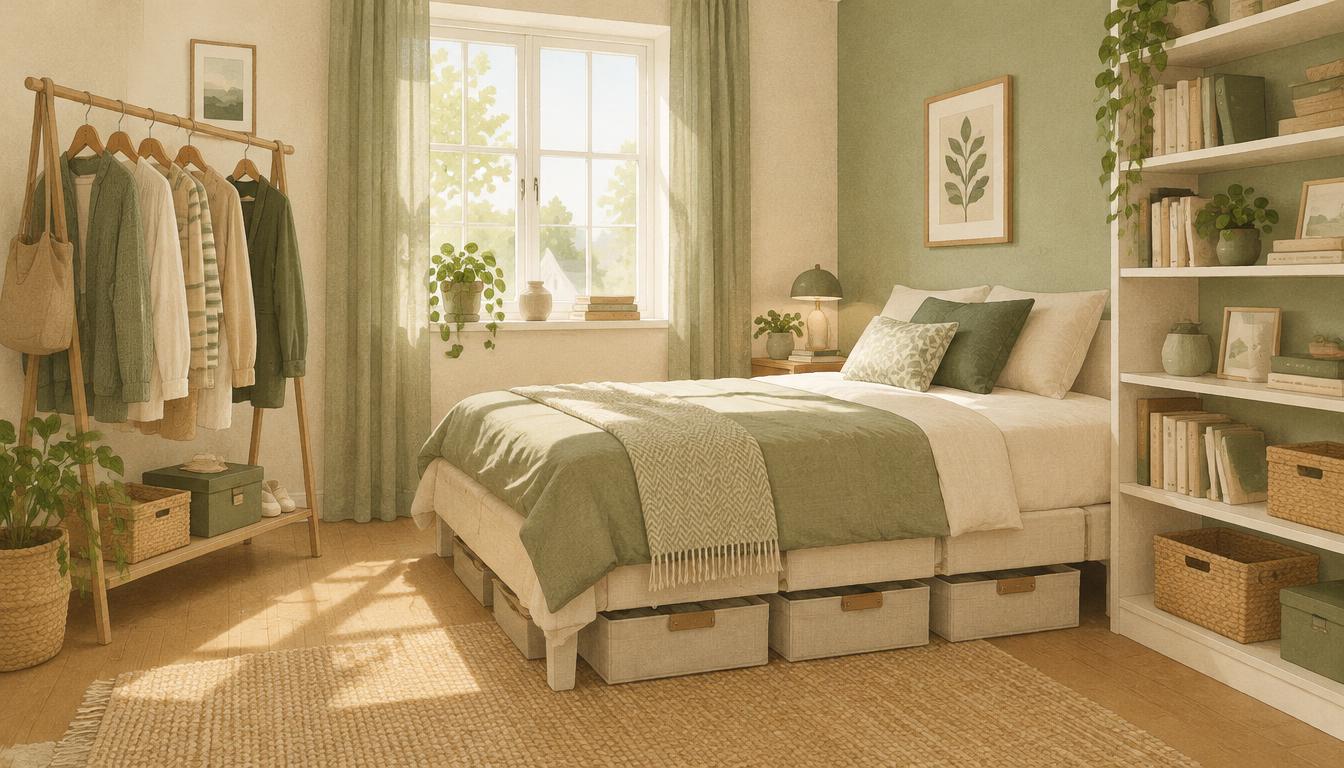
DIY Storage Ideas for a Bedroom With No Closet
Explore seven practical storage ideas for a bedroom without a closet, with options for hanging clothes, folded items and accessories, plus fitting and safety checks.
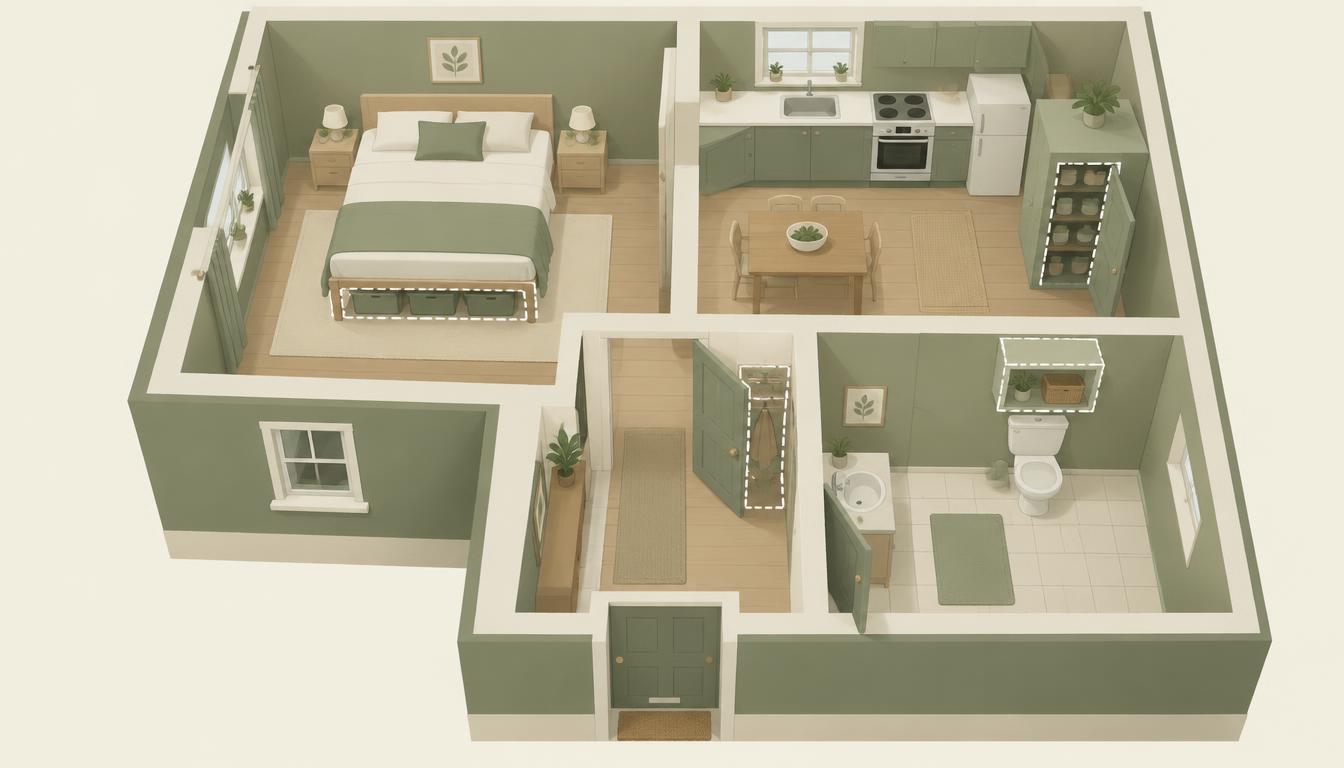
Where to Find Hidden Storage in a Small Home: A Room-by-Room Checklist
Walk round your home room by room and find the storage space you already have, before buying anything new.
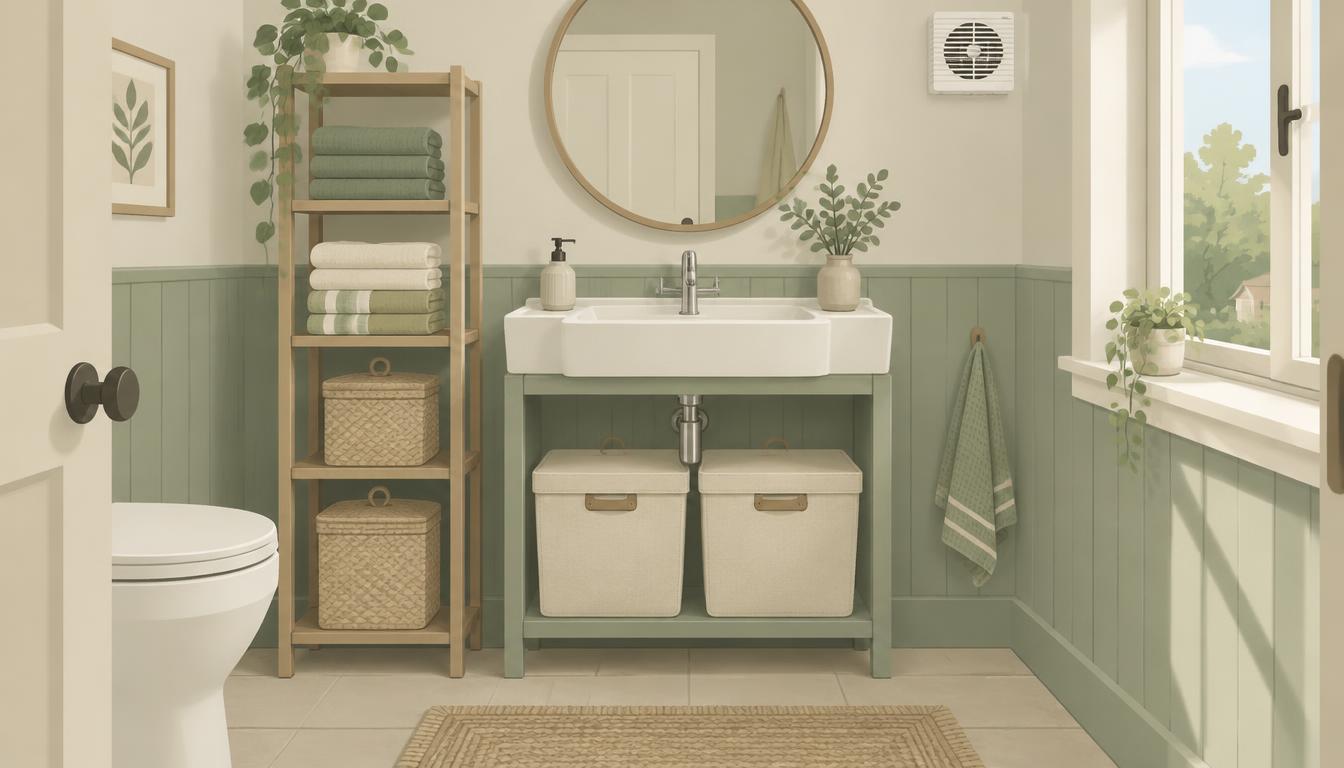
Small Bathroom Organisation: A Practical Planning Guide
A practical planning order for a small bathroom: clear, measure, group, choose damp-proof storage and check safety.
Make Room for What Matters
Download the free 7-day small-space decluttering checklist — no email address needed.