Small Space Storage
DIY Storage Ideas for a Bedroom With No Closet
Explore seven practical storage ideas for a bedroom without a closet, with options for hanging clothes, folded items and accessories, plus fitting and safety checks.
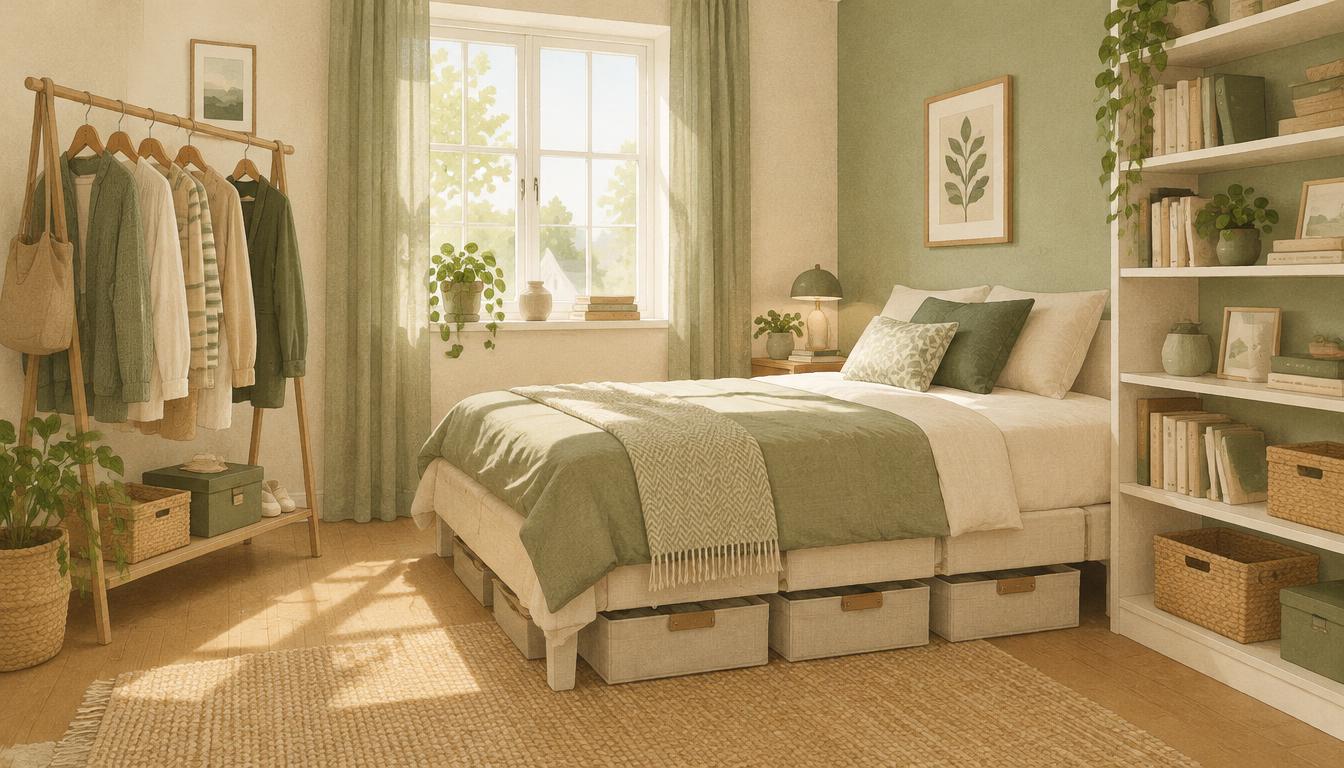
Not having a closet in your bedroom can make organising clothes, shoes, and accessories feel almost impossible. But even the smallest bedroom can become a tidy, functional space with the right storage solutions.
The good news? You don't need an expensive fitted wardrobe or a complete room makeover.
From freestanding clothing rails and clever under-bed storage to vertical shelving and space-saving organisers, there are plenty of affordable ways to create extra storage without sacrificing valuable floor space.
In this guide, we'll explore 7 practical storage ideas for bedrooms without closets, including DIY options, budget-friendly solutions, and renter-friendly tips to help you make the most of every inch.
Before you start: Measure your available bedroom space, including door clearance and walkways, before buying storage furniture or materials. Always follow manufacturers' assembly instructions, weight limits, and anti-tip requirements. If you rent your home, check your tenancy agreement and ask permission before making permanent changes.
1. Use a Freestanding Clothing Rail
A freestanding clothing rail is one of the simplest ways to organise a bedroom without a built-in closet. It creates a dedicated space for hanging clothes without requiring drilling, permanent fixtures, or expensive furniture.
Choose a slim clothing rail that fits comfortably along an unused wall or in a bedroom corner. A rail with a lower shelf can provide additional storage for shoes, baskets, or folded clothes.
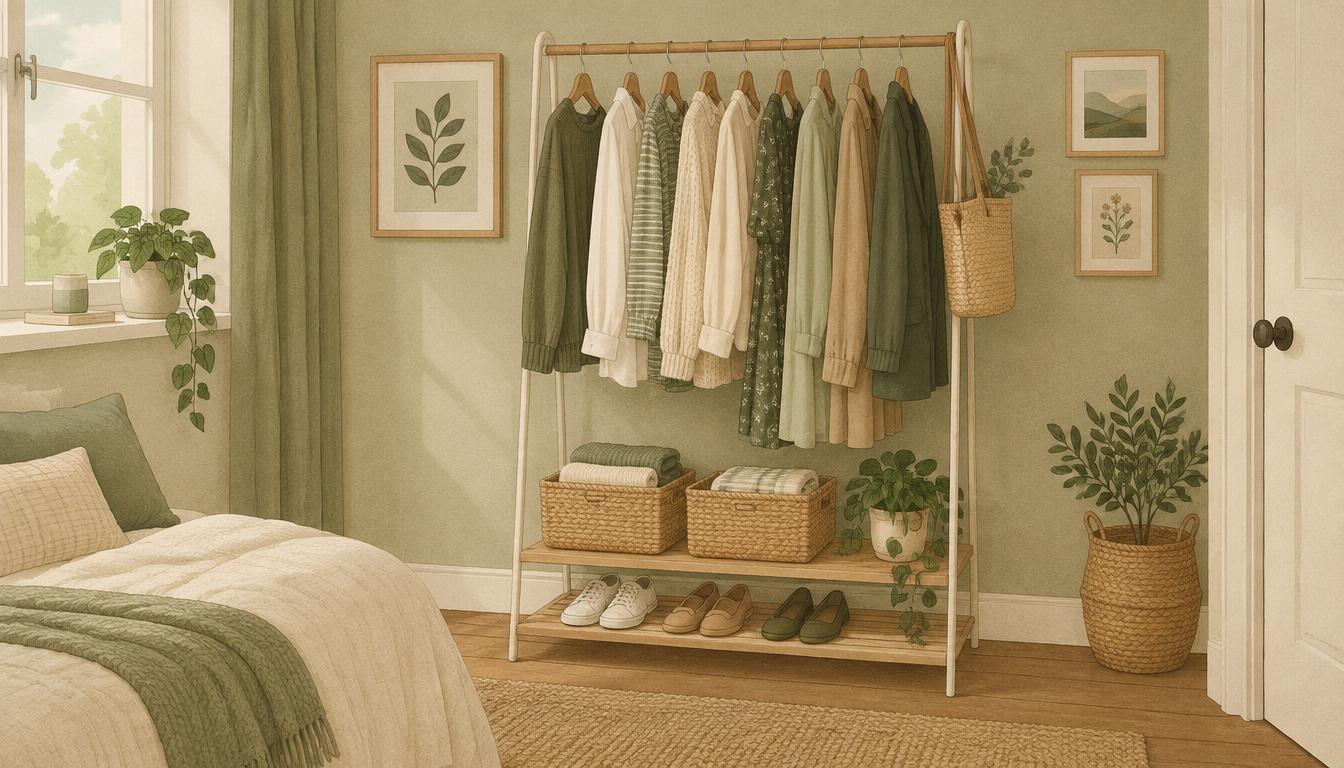
How to set it up:
Measure the available floor space, including enough clearance to walk past the rail.
Choose a sturdy clothing rail that fits your measurements and storage needs.
Assemble the rail according to the manufacturer's instructions.
Position it on a level surface, away from doors and walkways.
Hang your most frequently worn clothes and use lightweight storage baskets underneath if the design supports them.
Budget tip: Look for second-hand clothing rails or affordable models with built-in shelving. Reusing a rail can save money and reduce waste.
Small-space tip: Slim hangers of a similar style can save rail space and make the rail look less cluttered.
Safety tip: Check the manufacturer's weight limit and stability instructions. Avoid overloading the rail, and use any required anti-tip protection.
2. Maximise Storage Under Your Bed
The space underneath your bed is one of the most useful hidden storage areas in a small bedroom. Instead of leaving it empty, you can use it to organise seasonal clothing, spare bedding, shoes, and other items you don't need every day.
Under-bed storage is especially helpful for bedrooms without closets because it creates extra storage without taking up additional floor space.
Our dedicated guide explains how to measure the space under your bed and choose containers that fit it.
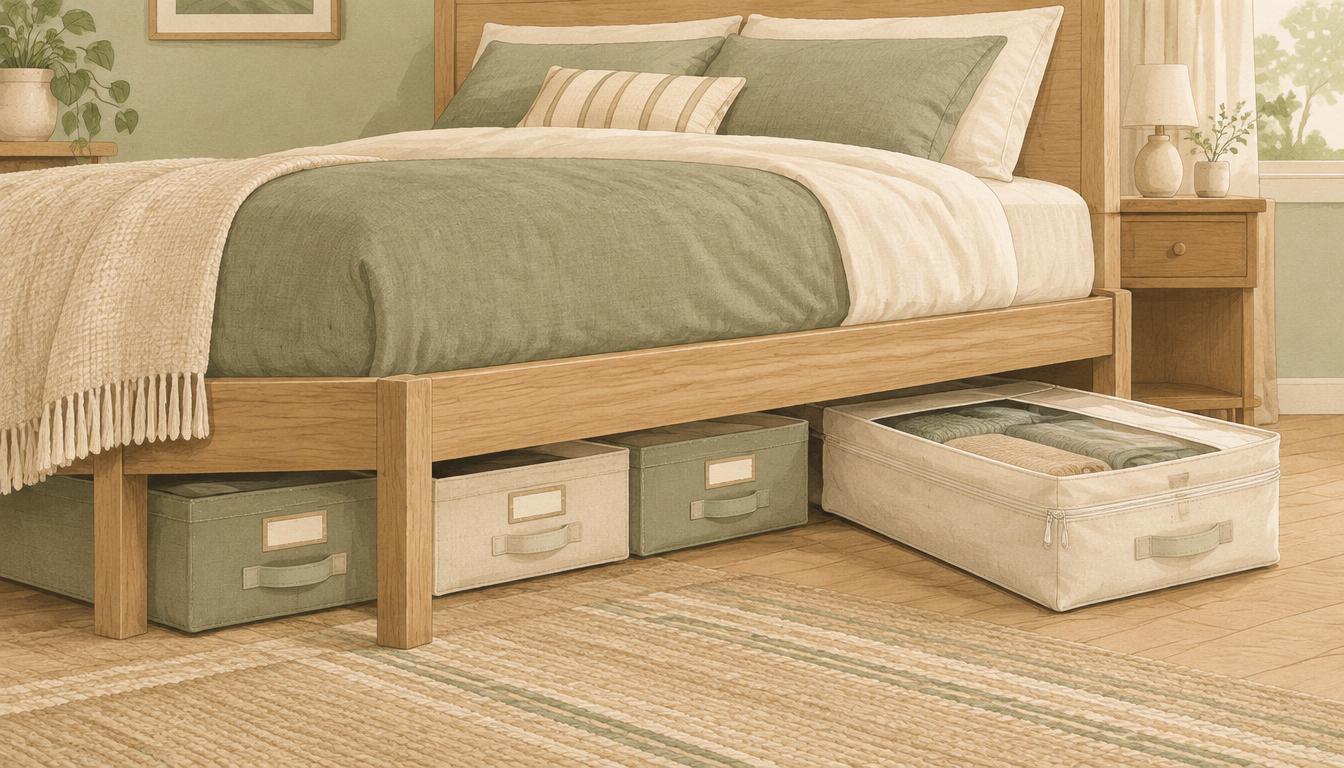
How to create under-bed storage:
Measure the space: Check the height, width, and depth underneath your bed. Leave enough clearance to slide containers in and out easily.
Choose suitable containers: Look for low-profile storage boxes, fabric bags, or shallow drawers that fit comfortably underneath.
Sort your belongings: Group similar items together, such as winter clothes, spare blankets, or extra shoes.
Label everything: Use simple labels so you can find items without opening every container.
Organise by frequency of use: Keep items you need regularly near the edges and less frequently used belongings further back.
DIY idea to consider: a rolling under-bed box
Some people add wheels to a sturdy, shallow wooden box or crate. Tidy Trellis has not tested a build for this guide, so treat these as checks rather than full instructions.
Sand any rough edges.
Check that the box is structurally sound.
Attach suitable low-profile caster wheels using fixings compatible with the box material.
Check that the completed box fits beneath your bed, including wheel height.
Add a handle if needed and fill it with lightweight belongings.
If you prefer a no-tools alternative, use fabric storage bags or ready-made under-bed containers.
Budget tip: Before buying new organisers, check whether you already have suitable boxes or containers at home.
Small-space tip: Use several smaller containers instead of one large box if your bed frame has centre supports or limited access.
Safety tip: Avoid blocking ventilation beneath mattresses or bed frames where airflow is required. Never alter a bed frame or use bed risers unless the manufacturer confirms they are suitable. For wheeled boxes, use properly rated casters and don't overload the container.
3. Use Vertical Shelving to Create More Storage
When floor space is limited, the best storage solution is often to think vertically. Tall shelving units can help you store clothes, shoes, accessories, and everyday essentials without taking up as much valuable floor space as wider furniture.
Vertical storage is particularly useful in bedrooms without built-in closets because it allows you to make better use of unused wall space.
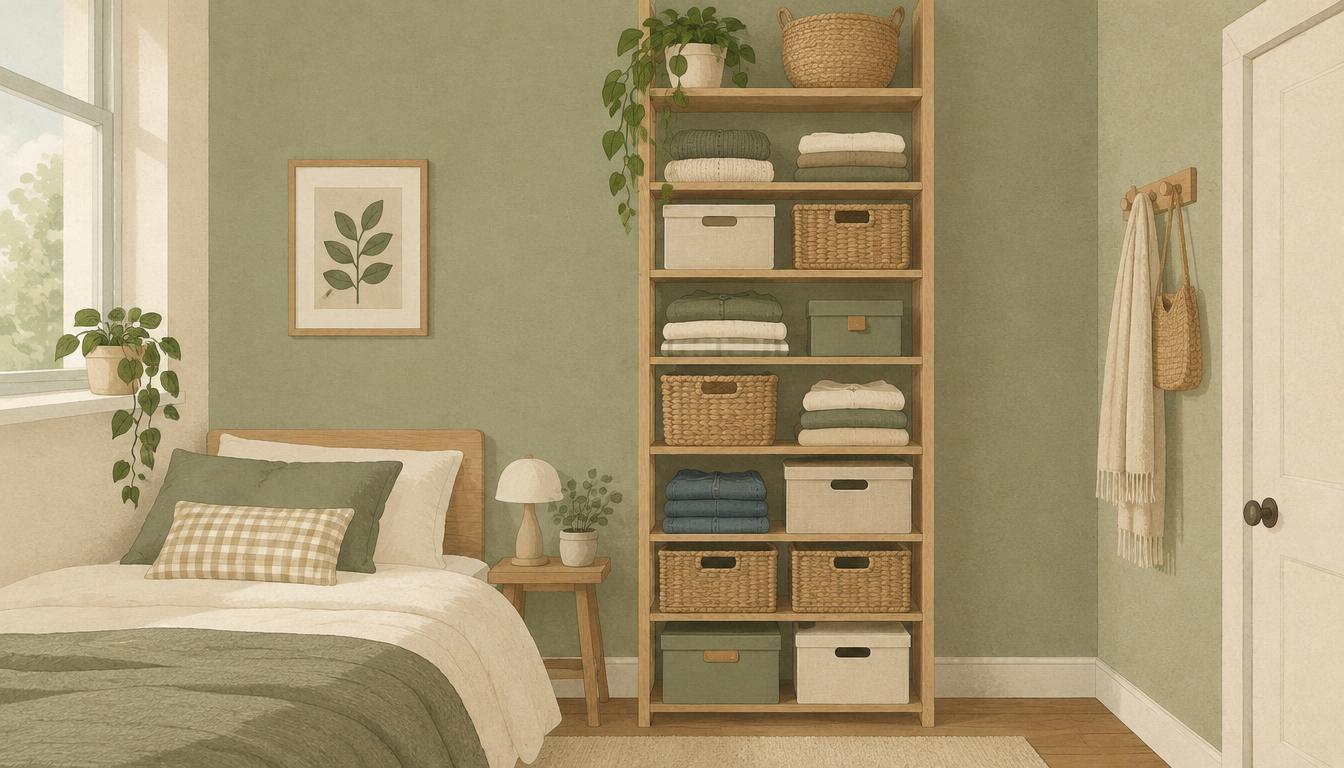
How to organise your bedroom using vertical shelving:
Measure your available space: Identify an unused wall or corner and measure the width, height, and depth available. Make sure the shelving won't obstruct doors, windows, or walkways.
Choose a suitable shelving unit: Look for a narrow, sturdy bookcase or storage tower with adjustable shelves.
Position heavier items at the bottom: Store heavier belongings on lower shelves to help keep the unit balanced.
Use baskets and containers: Place smaller items such as socks, accessories, and folded clothing inside labelled baskets.
Keep everyday essentials accessible: Store frequently used belongings at a comfortable height and less frequently used items on higher shelves.
Easy DIY idea: Customise a narrow shelving unit
You don't need to build a shelving unit from scratch to make it work for your bedroom.
Start with a suitable second-hand or flat-pack bookcase and personalise it with:
Matching storage baskets for a cleaner appearance.
Removable labels to organise smaller items.
Adjustable shelf positions to accommodate different belongings.
Small decorative accessories to make the shelving feel like part of the room.
If the unit is designed to be painted, you can also give it a fresh coat of furniture paint, following the manufacturer's preparation instructions.
Renter-friendly tip: A freestanding shelving unit can be easier to remove when you move home. However, tall furniture may still require wall anchoring for safety. Always follow the manufacturer's installation and anti-tip instructions, and seek your landlord's permission before drilling.
Budget tip: Look for sturdy second-hand shelving units before purchasing new furniture.
Small-space tip: Use matching baskets and avoid overcrowding shelves. This makes your bedroom look more organised and helps you find belongings quickly.
Safety tip: Don't rely on adhesive strips to secure tall or heavy shelving units unless the manufacturer explicitly approves that method for that specific purpose. Respect the unit's weight limits and install required anti-tip restraints.
4. Use Over-Door Organisers to Save Space
If your bedroom doesn't have a closet, the back of your door could become a useful extra storage area. Over-door organisers help you store shoes, accessories, scarves, and everyday essentials without taking up additional floor space.
They're particularly useful for small bedrooms, rented homes, and student accommodation where permanent storage options may be limited.
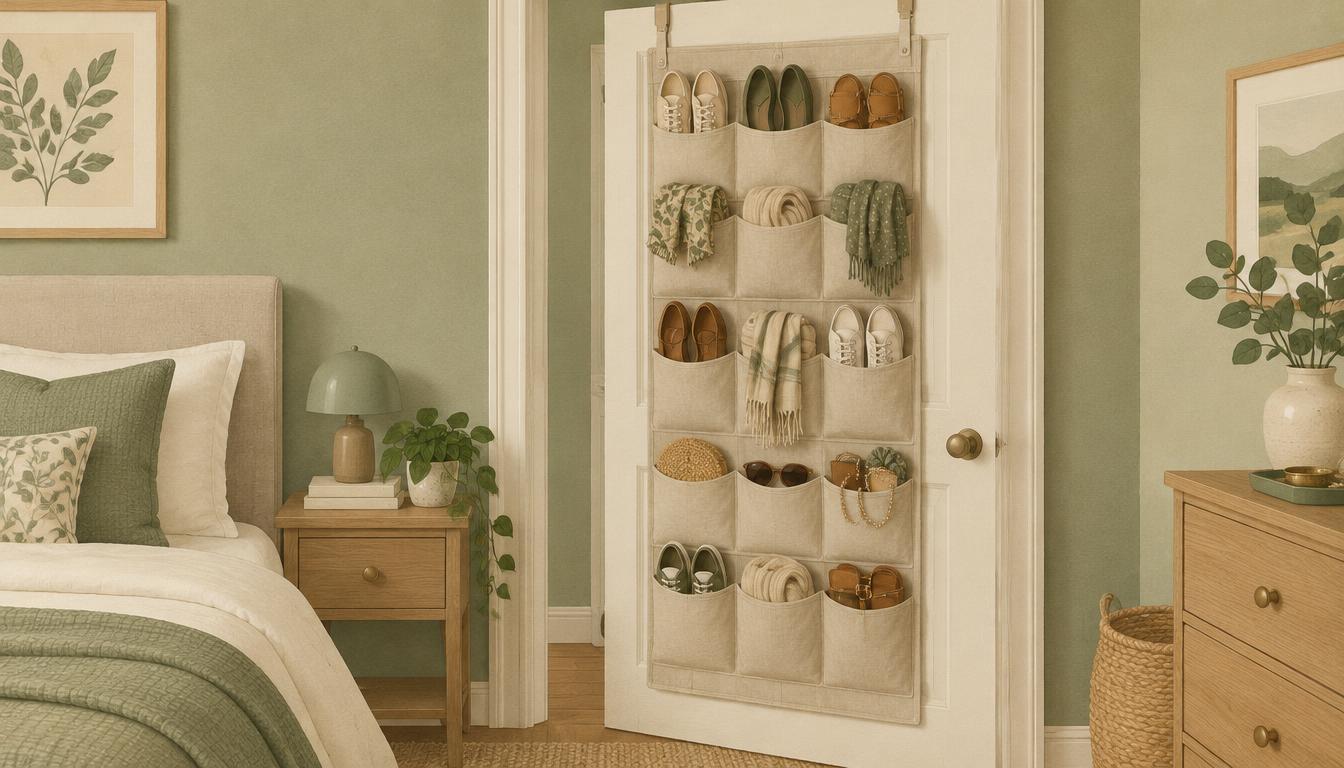
How to organise your bedroom using an over-door organiser:
Check your door: Measure its width, thickness, and the clearance above it. Make sure an organiser won't prevent the door from opening or closing properly.
Choose the right organiser: Look for a lightweight hanging organiser with fabric pockets, hooks, or compartments suitable for the items you want to store.
Install it correctly: Follow the manufacturer's instructions and check that the hooks fit securely over the door without damaging it.
Organise your belongings: Use separate pockets for socks, scarves, accessories, hair products, or other small everyday items.
Keep heavier items elsewhere: Store lightweight belongings in the organiser and avoid exceeding its recommended weight capacity.
Easy DIY idea: Make a hanging fabric pocket organiser
If you enjoy simple sewing projects, you can create your own fabric organiser.
You'll need:
A sturdy piece of fabric for the backing
Smaller fabric pieces for pockets
Measuring tape
Scissors
Thread and a sewing machine or needle
A suitable hanging mechanism
Basic instructions:
Measure the available space on the back of your door.
Cut a rectangular fabric backing to fit.
Cut smaller fabric rectangles for individual pockets.
Hem the pocket edges to prevent fraying.
Sew the sides and bottoms of the pockets securely onto the backing.
Add a suitable hanging mechanism and check that it supports the organiser and its intended contents.
Use the organiser only for lightweight belongings unless you've verified the strength of the fabric, stitching, and hanging hardware.
Budget tip: Repurpose sturdy fabric from old curtains or other suitable textiles to make your organiser more affordable.
Renter-friendly tip: Choose an over-door organiser that doesn't require drilling, provided it fits your door properly and doesn't cause damage.
Small-space tip: Use labelled pockets to make everyday items easier to find. Avoid overcrowding, which can make the organiser bulky.
Safety tip: Never obstruct fire doors, emergency exits, door closers, or essential door hardware. Check that the organiser doesn't interfere with safe opening, closing, or latching. Avoid hanging heavy objects or creating a trip or snagging hazard.
5. Choose a Storage Bench That Doubles as Seating
If your bedroom has limited storage space, choosing furniture that serves more than one purpose can make a big difference. A storage bench offers a place to keep belongings hidden while also providing a convenient seating area, provided the product is designed to support seated users.
A compact storage bench can work particularly well at the foot of a bed, underneath a window, or along an unused wall.
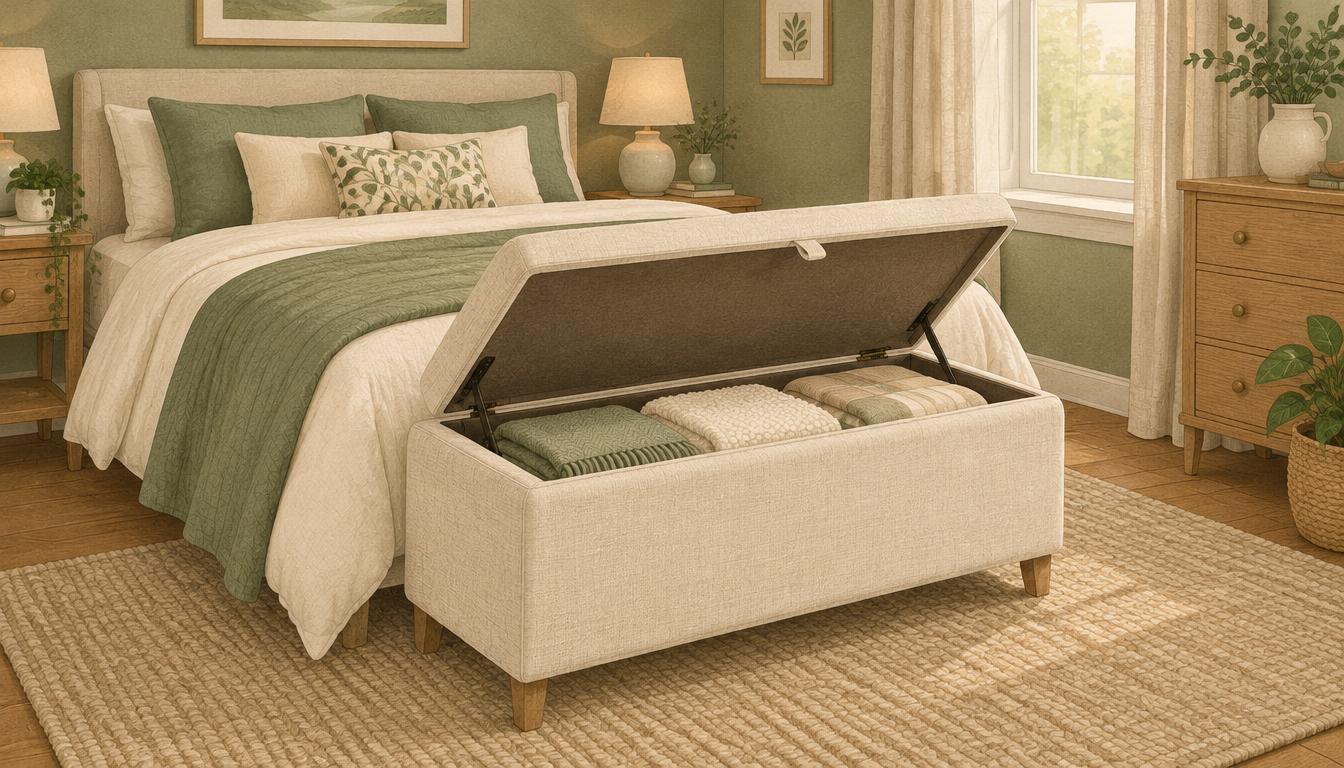
How to use a storage bench in a small bedroom:
Measure your available space: Check the length, width, and height of the area where you plan to place the bench. Leave enough room to move comfortably around it.
Choose the right design: Look for a compact bench with built-in storage, such as a lift-up lid or pull-out drawers.
Check its intended use: If you want to sit on the bench, choose a model specifically designed for seating and follow the manufacturer's weight limits.
Organise the interior: Use small storage bags or dividers to separate blankets, accessories, seasonal clothing, or other lightweight belongings.
Keep frequently used items accessible: Position the bench where you can open it easily without moving other furniture.
Easy DIY idea: Refresh a second-hand storage bench
Instead of building furniture from scratch, consider updating a sturdy second-hand storage bench.
You can give it a fresh appearance by:
Cleaning the exterior thoroughly.
Lightly sanding suitable wooden surfaces before refinishing, following the product's care instructions.
Painting the exterior with a furniture-appropriate finish.
Adding removable fabric organisers inside the storage compartment.
Replacing decorative handles with compatible fittings where appropriate.
Avoid modifying hinges, lid supports, or structural components unless you have the appropriate skills and instructions.
Budget tip: Check second-hand furniture shops and local resale listings for storage benches that can be refreshed rather than replaced.
Small-space tip: Choose a bench that matches your room's colour scheme. Light neutral finishes can help bulky furniture feel less visually dominant.
Renter-friendly tip: A portable storage bench usually requires no permanent changes to your bedroom, making it a practical choice for rented accommodation.
Safety tip: Check the bench's load rating before sitting on it. Make sure lift-up lids have suitable safety supports and cannot unexpectedly fall shut. Never allow children to play or hide inside storage furniture, and follow all manufacturer safety instructions.
6. Organise Clothes with Stackable Storage Boxes and Baskets
When you don't have a closet, keeping folded clothes, shoes, and accessories organised can be challenging. Stackable storage boxes and baskets offer a flexible solution that helps you use available space more efficiently.
These organisers can fit on existing shelves, inside furniture, or underneath a bed, depending on their size. They're especially useful for small bedrooms because you can rearrange them as your storage needs change.
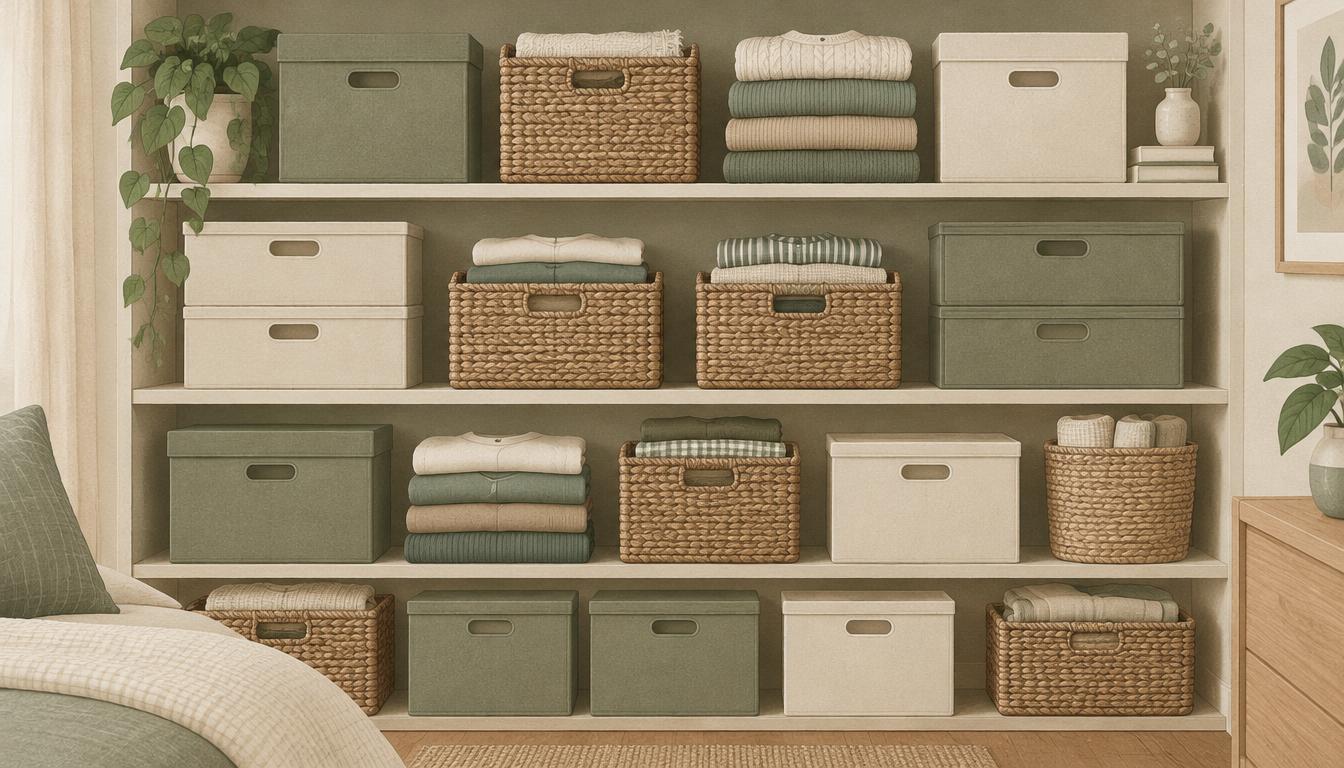
How to organise your belongings using stackable storage boxes:
Sort your belongings: Separate clothing, shoes, accessories, and seasonal items into categories.
Measure your available space: Check the dimensions of your shelves, furniture, or storage area before buying containers.
Choose suitable containers: Look for sturdy, stackable boxes designed for the weight and type of belongings you want to store.
Organise by category: Use separate containers for T-shirts, jumpers, accessories, and other smaller items.
Label each box: Add clear labels so you can find belongings without opening every container.
Arrange containers safely: Place heavier boxes at the bottom and keep frequently used items within easy reach.
DIY idea to consider: covered storage boxes
You can transform suitable cardboard boxes into attractive storage organisers using a few inexpensive materials.
Materials you'll need:
Clean, sturdy cardboard boxes
Decorative paper or fabric
Suitable craft glue or double-sided adhesive
Scissors
Measuring tape
Labels
General approach:
Choose cardboard boxes that are clean, dry, and strong enough for lightweight storage.
Measure each box and cut your decorative paper or fabric to fit.
Attach the covering neatly using suitable adhesive.
Allow the glue to dry completely.
Add labels to identify the contents.
Place the finished boxes on a shelf or inside a storage unit.
Decorated cardboard boxes are best for lightweight items such as scarves, socks, and accessories. They should not be used as load-bearing stackable containers unless specifically designed and rated for that purpose.
Budget tip: Reuse suitable boxes and baskets you already own before purchasing new storage products.
Small-space tip: Choose containers with a consistent shape and size so they fit neatly together and make better use of shelf space.
Renter-friendly tip: Storage boxes and baskets are portable, require no drilling, and can easily move with you to your next home.
Safety tip: Follow the manufacturer's stacking and weight limits. Avoid creating tall, unstable stacks, especially around children or pets. Keep boxes away from heaters, electrical equipment, and escape routes. Never place heavy containers on weak shelves or unsecured furniture.
7. Create a Mini Closet with a Portable Wardrobe
If your bedroom doesn't have a built-in closet, a portable wardrobe can provide a practical alternative for storing clothes, shoes, and accessories.
Unlike permanent fitted wardrobes, portable wardrobes are designed to be moved or disassembled when necessary, making them particularly useful for renters, students, and people living in temporary accommodation.
Many portable wardrobes include hanging rails, shelves, and fabric covers that help keep belongings organised and protected from dust.
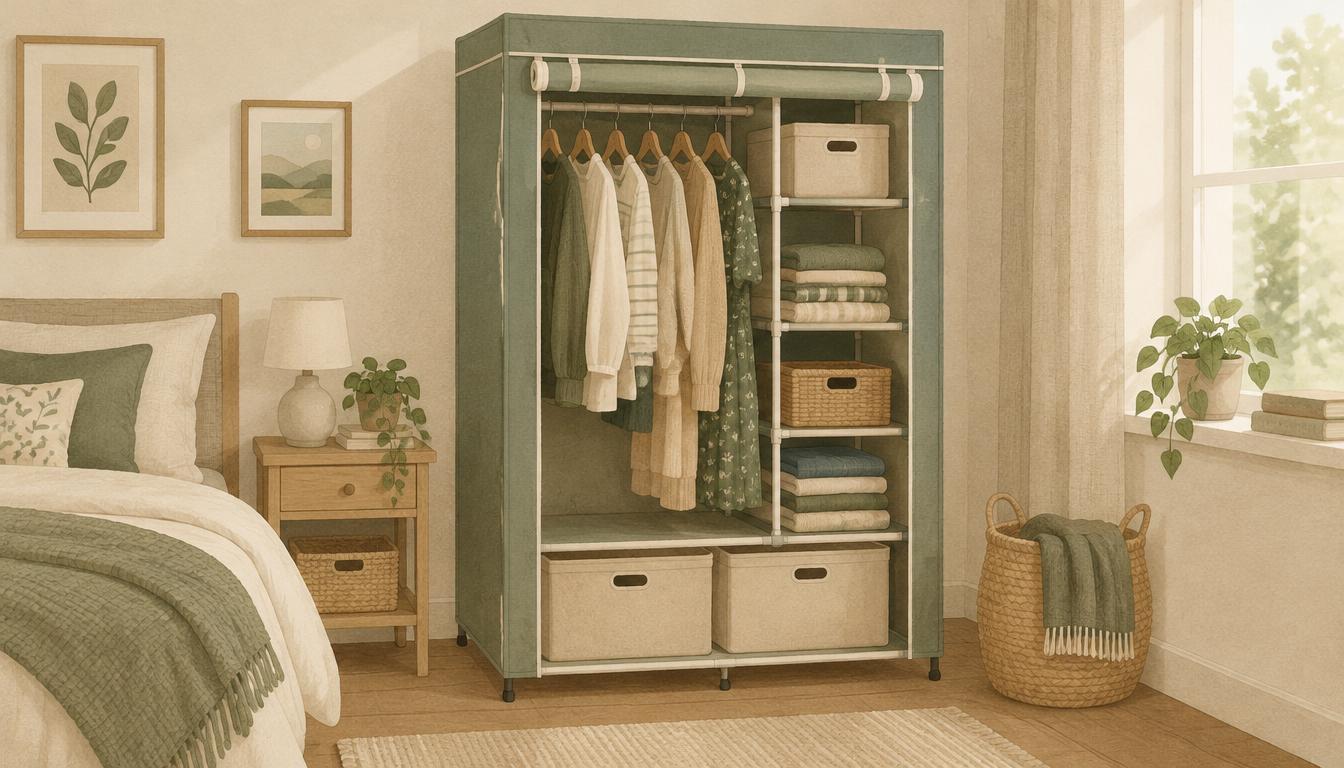
How to choose and organise a portable wardrobe:
Measure your available space: Check the width, depth, and height of the area where you want to position the wardrobe. Leave enough room to access its doors or fabric cover.
Choose the right design: Look for a portable wardrobe with a hanging rail, shelves, or storage compartments that suit your clothing collection.
Check the weight capacity: Make sure the frame and hanging rail can support your belongings without bending or becoming unstable.
Assemble it carefully: Follow the manufacturer's assembly instructions and use all required components.
Organise your clothing: Hang shirts, jackets, and dresses on the rail, and use shelves or lightweight baskets for folded clothes and accessories.
Keep frequently used items accessible: Position everyday clothing at a comfortable height and seasonal items in less accessible compartments.
Simple ways to customise a portable wardrobe
You can make a basic portable wardrobe more organised without changing its structure.
Try these simple improvements:
Use slim hangers to make the most of the rail.
Add lightweight fabric storage boxes to suitable shelves.
Attach removable labels to storage containers.
Use small fabric organisers for socks and accessories.
Group clothing by type or colour to make everything easier to find.
If your portable wardrobe has an open design, consider a lightweight fabric cover specifically made for that model to help reduce dust.
Budget tip: Compare second-hand wardrobes and affordable flat-pack options before buying new. Make sure all necessary parts are included.
Small-space tip: A narrow wardrobe with both hanging space and shelves can be more practical than a simple clothing rail if you need to store several types of belongings.
Renter-friendly tip: A portable wardrobe can help you create a dedicated clothing area without installing permanent fitted furniture. However, some models still require anti-tip restraints or wall anchoring, so always follow the manufacturer's instructions and obtain permission before drilling.
Safety tip: Avoid overloading hanging rails and shelves. Position the wardrobe on a level surface, keep it away from heat sources, and use any required anti-tip protection. Never modify the frame or remove structural supports to make extra space.
Frequently Asked Questions About Bedroom Storage
How can I organise my bedroom without a closet?
Start by sorting your clothes and accessories into categories. Use a freestanding clothing rail for hanging items, under-bed containers for seasonal belongings, and storage baskets for smaller accessories. If you need more space, a narrow portable wardrobe can provide both hanging and folded-clothing storage.
What is the cheapest way to create extra bedroom storage?
Reusing containers you already own is one of the most affordable options. You can also repurpose sturdy cardboard boxes for lightweight accessories, look for second-hand clothing rails, or organise unused space underneath your bed. Measure your available space before buying anything.
How do I store clothes in a small bedroom without a wardrobe?
Try combining a freestanding clothing rail with under-bed storage boxes and a compact shelving unit. Hang clothes that crease easily, fold everyday items into baskets, and keep seasonal clothing in suitable protective containers. If you do have a wardrobe, our guide to organising the clothes you keep covers sorting, hanging and folding on a budget.
How can renters add bedroom storage without drilling?
Renters can use portable clothing rails, freestanding storage benches, under-bed containers, and suitable over-door organisers. These options usually don't require permanent changes. However, tall furniture may still need wall anchoring for safety, so follow the manufacturer's instructions and check with your landlord before installing anything.
How do I make a small bedroom look less cluttered?
Keep everyday essentials easy to reach, group similar belongings together, and use matching containers where practical. Avoid overcrowding shelves or leaving frequently used items scattered across surfaces. Choosing furniture with built-in storage can also help reduce visual clutter.
Final Thoughts: Make the Most of Your Bedroom Space
A bedroom without a closet doesn't have to feel cramped or disorganised. With a few practical storage solutions, you can create a functional, comfortable space without a large budget.
From freestanding clothing rails and under-bed organisers to portable wardrobes and multi-purpose furniture, there are plenty of ways to make better use of the space you already have.
The key is to start small. Choose one storage problem, measure your available space, and find a solution that fits your budget and lifestyle.
Which storage idea will you try first?
Explore more Small Space Storage ideas on Tidy Trellis for practical ways to organise your bedroom and make every inch count.
Plan your next step: Use the small bedroom organisation planner to group your clothes and the room measurement worksheet to check furniture fit. Before buying, set a realistic organisation budget. If you rent, review the renter-friendly DIY questions first.
You might also like
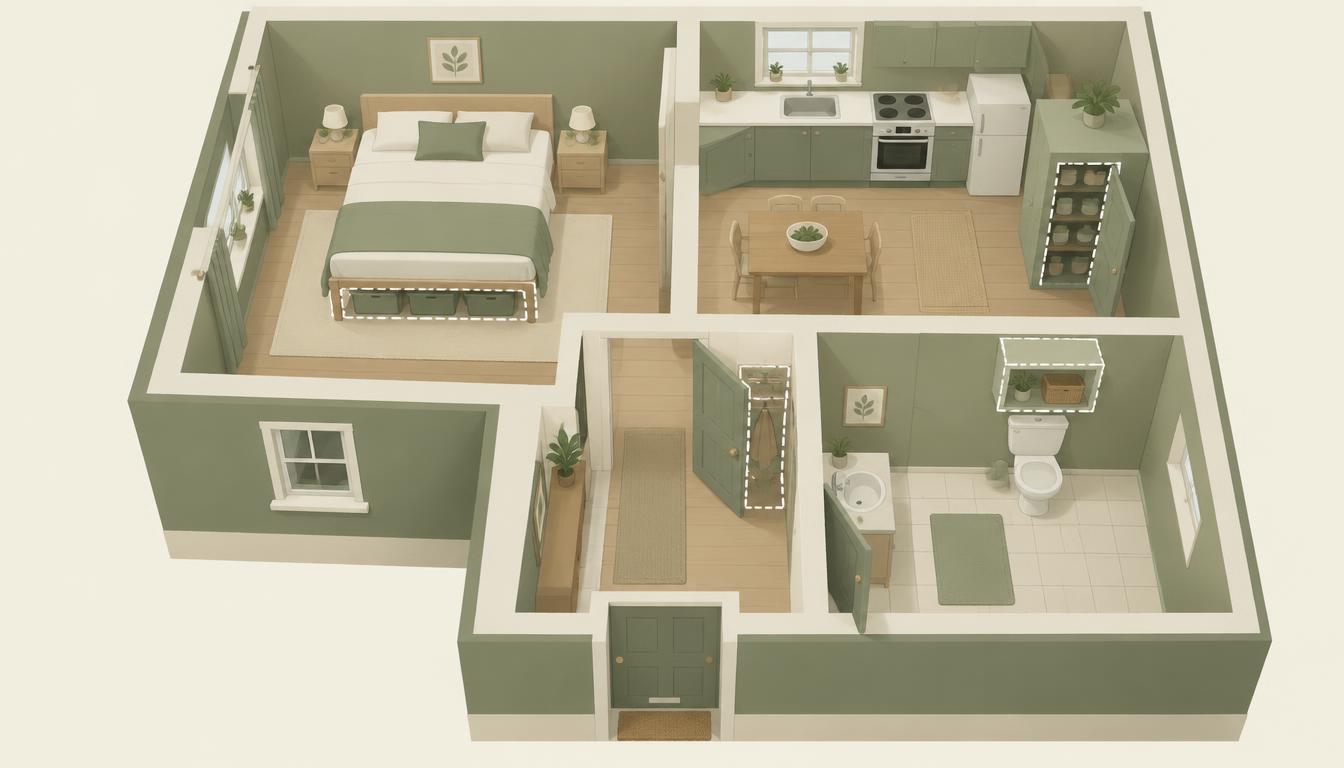
Where to Find Hidden Storage in a Small Home: A Room-by-Room Checklist
Walk round your home room by room and find the storage space you already have, before buying anything new.
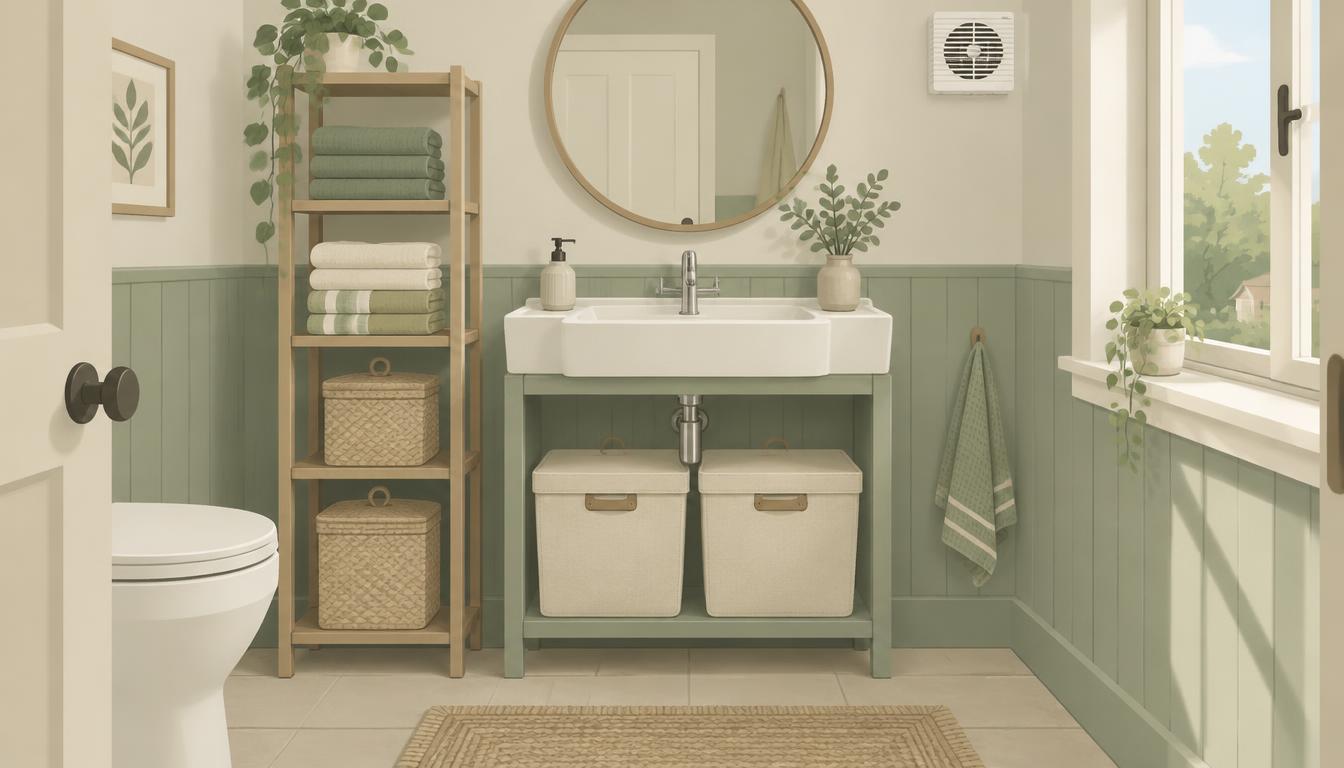
Small Bathroom Organisation: A Practical Planning Guide
A practical planning order for a small bathroom: clear, measure, group, choose damp-proof storage and check safety.
Make Room for What Matters
Download the free 7-day small-space decluttering checklist — no email address needed.